

| Following this year’s SEE Private Equity & M&A Forum in Belgrade, we had the pleasure of speaking with Nataša Lalović Marić, Partner at Wolf Theiss, who moderated one of the most engaging sessions of the day — Cross-Border Expansion and the Strategic Buyer Advantage.
Read on to discover her insights into how the buyer landscape across South East Europe is shifting, what first-time entrants to the region consistently get wrong, and where she sees the strongest opportunities for cross-border dealmaking over the year ahead. |
|
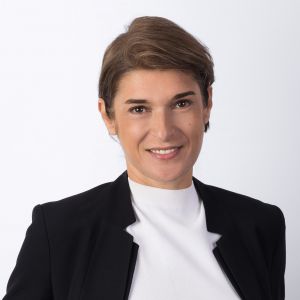
Q: What’s changed most in cross-border M&A activity across SEE over the past 12 months, and what’s driving that shift??
Over the past twelve months, cross‑border M&A activity across South‑East Europe has been shaped by a noticeable recalibration in both deal flow and investor profiles. While overall volumes have been somewhat tempered by global macroeconomic uncertainty, higher financing costs and geopolitical risk, overall deal values have proven more resilient, accompanied by a qualitative shift in transaction dynamics. In particular, the buyer landscape has been rebalanced, with strategic investors increasingly accounting for the most significant and high-profile transactions, reflecting their ability to deploy capital with a longer-term perspective and less reliance on leveraged financing.
Concurrently, sectoral focus has become more pronounced. Technology-enabled services and life sciences have attracted sustained investor interest, driven respectively by ongoing digitalisation imperatives and scalable platform potential, and by structural healthcare demand underpinned by demographic trends. Investment in energy and infrastructure has likewise remained robust, supported by the dual imperatives of energy transition and energy security, which continue to shape policy and capital allocation across the region.
More broadly, the strategic relevance of South East Europe has been reinforced by supply chain reconfiguration and nearshoring considerations, particularly in industrial production and logistics. These dynamics are complemented by relatively attractive valuation levels and by the region’s continued regulatory alignment with EU standards, both of which have strengthened investor confidence.
For companies looking at their first cross-border transaction in the region, what’s one thing they often underestimate?
Companies undertaking their first cross‑border transaction in the region tend to underestimate how much execution still depends on local realities, despite formal legal harmonisation. EU‑aligned frameworks do not necessarily translate into predictability in practice, and jurisdiction‑specific issues, from permitting to regulatory approvals, can materially affect timing and deal certainty.
In parallel, first-time entrants often underestimate the importance of robust legal structuring and appropriately calibrated transactional protections. Documentation that may be considered market-standard in more mature jurisdictions does not always operate with the same degree of effectiveness in practice, particularly in enforcement contexts, which requires a more tailored approach to risk allocation, conditionality and security arrangements from the outset.
Cultural differences in business practices and decision-making processes are also frequently overlooked, yet they can meaningfully influence negotiations, stakeholder alignment and the overall trajectory of a transaction. Finally, buyers tend to underestimate the complexity of post-closing integration, particularly in aligning operations, management structures and corporate cultures across multiple jurisdictions. Taken together, these considerations necessitate a more disciplined and locally informed approach to transaction structuring, legal protection, stakeholder management and integration planning from the earliest stages of the deal.
Q: Where do you see the most interesting opportunities for cross-border deals in SEE over the next year?
Looking ahead, the most compelling opportunities for cross-border M&A in South East Europe are expected to concentrate in sectors aligned with long-term structural transformation trends.
Renewable energy platforms, particularly in solar, wind and battery storage, will remain at the forefront, driven by decarbonisation imperatives and increasing focus on energy security, while digital infrastructure, including data centres and fibre networks, is emerging as an equally dynamic investment theme.
Infrastructure and logistics assets continue to attract strong interest, reflecting the region’s growing role as a strategic corridor between core EU markets and neighbouring regions, further reinforced by nearshoring and supply chain diversification. At the same time, technology and IT services, including software engineering and SaaS consolidation plays, are expected to sustain momentum on the back of strong talent pools and competitive cost bases, alongside selective opportunities in healthcare, specialised manufacturing and financial services consolidation.
Overall, the region combines favourable growth dynamics, fragmented markets conducive to consolidation strategies, and steadily improving institutional and regulatory frameworks, supporting a broadly positive outlook for cross-border M&A activity over the next year.

Wolf Theiss has been present in Serbia since 2002, among the first international law firms to establish a foothold in the country. Operating through the Law Office of Miroslav Stojanović, the Belgrade office has built a reputation for excellence, advising on many of the most complex and high-profile transactions in the region. Over the past two decades, it has played a key role in shaping the legal landscape in Serbia and the Western Balkans.
Fully integrated into the Wolf Theiss network, the Belgrade office provides seamless access to cross-border expertise and international service standards. Our lawyers are locally and internationally qualified, delivering strategic legal solutions tailored to the needs of global investors, regional leaders and public institutions. With deep market insight and a proven track record, Wolf Theiss remains a trusted advisor for navigating the opportunities and challenges of doing business in Serbia and beyond.